Fix What the
Texture Was Hiding
Popcorn texture was applied for a reason — and that reason was usually to cover imperfect drywall work. When the texture comes off, so does the concealment. We identify every issue and repair it properly before a single coat of compound goes on.
Call (715) 200-8337Get Your Free Estimate
Tell us about your project and we'll follow up quickly.
The Hidden Reality
Popcorn Texture Hid Problems on Purpose
Popcorn ceiling texture became popular in the 1960s–80s for two reasons: it was fast to apply, and it was forgiving. Builders could skip the careful taping and finishing work that a smooth ceiling requires — the heavy texture would cover rough tape joints, uneven compound, screw dimples, and other imperfections that would otherwise show.
When that texture comes off, everything it was concealing becomes visible again. This isn't a defect in the removal process — it's simply the nature of what was underneath. A ceiling that's been textured since the day it was drywalled has never been properly finished. The repairs that were skipped in 1975 need to happen now, in 2024, before the ceiling can look right.
We build the repair assessment and scope into every project. Nothing we find during removal is a surprise to us — we've seen it all, and we fix it correctly before skim coat begins.
What We Typically Find
Drywall screws work loose over time and push through the paper face. We set them below the surface and fill the dimple before skim coating.
Tape joints that were never properly embedded — or have cracked with building movement over decades — are re-bedded with setting compound and re-taped if needed.
Old stains from roof leaks, plumbing drips, or condensation. Each stain is confirmed dry with a moisture meter, then sealed with shellac-based primer to block bleed-through.
Paper torn during original installation or texture application. Raw paper edges must be sized with PVA before compound — otherwise compound soaks in and raises the surface.
Compound was applied unevenly in the original finish — ridges, holidays, and uneven seams visible once the texture is gone. Addressed during skim coat build coats.
Wide cracks at stress points or around fixtures may indicate structural movement. We flag these for you — if a structural assessment is warranted, we tell you before we proceed.
The Problem Most Contractors Miss
Water Stains That Bleed Through Paint — Years Later
A water stain on drywall isn't just a discolored patch. The water that caused it deposited tannins, mineral salts, and organic compounds into the paper and gypsum core. These substances will migrate through joint compound and through latex paint — indefinitely — unless they're chemically blocked before anything else goes over them.
We've seen homeowners paint over stains — sometimes two or three coats — and watch them reappear within weeks. The fix isn't more paint. It's shellac-based primer, applied directly over the stain, before compound, before skim coat, before paint. That single step makes the stain permanently invisible.
- ✕Apply skim coat directly over the stain
- ✕Prime with standard latex primer
- ✕Paint two coats and hope for the best
- ✕Repaint again when stain reappears
- ✕Never actually solve the problem
- Confirm stain is dry with a moisture meter
- Apply shellac-based primer (Zinsser BIN) directly over the stain
- Allow full cure before compound touches the area
- Skim coat over sealed surface
- Stain never reappears — permanently blocked
How We Work
The Repair Sequence Before Skim Coat
Every step has to happen in the right order. Skipping or reversing steps is how repairs fail. Here's exactly what we do before compound goes on.
Raking Light Assessment
We drag a work light at a low angle across the entire ceiling — the same raking light technique used to inspect the finished result. This reveals every tape seam, screw pop, ridge, and water stain. We map everything before quoting repair scope.
Moisture Check & Stain Sealing
Every visible water stain gets tested with a moisture meter. Confirmed-dry stains are sealed immediately with shellac-based primer (Zinsser BIN). We don't apply any compound or skim coat until sealed areas have fully cured.
Mechanical Repairs
Screw pops are set below the surface and dimpled. Loose or open tape seams are cleaned out, re-bedded with setting compound, and re-taped if needed. Damaged paper edges are sized with PVA. This phase uses setting compound — it hardens chemically, not by drying, so it's strong and stable.
PVA Prime Damaged Areas
Any raw gypsum exposed by torn paper, gouges, or compound removal is primed with PVA before skim coat. PVA seals the porous surface and prevents skim compound from soaking in and raising — a common cause of bumps that sand flat but show through paint.
Skim Coat Build
With all repairs cured and sealed, skim coating begins. Two to three thin coats, sanding between each, with raking light checks before every advancement. Repairs disappear into the unified surface — there are no patches, only one flat ceiling.
Why Spot Patching Isn't Enough
Patch vs. Full Skim Coat — What the Difference Looks Like
Most contractors offer to patch the damage spots after popcorn removal and call it done. Here's why that approach fails — and what full skim coating solves.
Included in Every Project
What's Covered as Standard Prep
Standard repairs are built into the project scope — not billed as extras after we're already on the job.
Screw Pop Repair
Every backed-out screw is set and filled before skim coat begins.
Seam Re-taping
Open or cracked tape joints cleaned out, re-bedded, re-taped with setting compound.
Water Stain Sealing
Confirmed-dry stains sealed with shellac-based primer before any compound goes over them.
PVA Priming
Exposed gypsum and damaged paper sized with PVA to prevent compound absorption.
Raking Light Inspection
Full ceiling review before and after each coat — we verify the result under light that reveals everything.
Full Skim Coat
Two to three thin coats over the entire ceiling — repairs become invisible in the unified surface.
About larger repair scope: Significant repairs beyond standard prep — extensive water damage, large areas of delaminating plaster, or structural cracks that need investigation — are identified during the on-site assessment and quoted separately, in writing, before work begins. We don't add charges after we're already in your home.
From Our Customers
What Homeowners Say
“When they pulled the texture off in the living room we could see this huge old water stain we'd forgotten about. They stopped, explained exactly what it was, tested it with a meter, and sealed it before doing anything else. Six months later — nothing. No ghost stain, no bleed-through. It's just a ceiling.”
Karen M.
Hudson, WI
Full house removal + repair + skim coat
“I'd had two other contractors 'fix' my ceiling after the texture came off and both times I could see the patches under any direct light. These guys skim coated the whole thing and you literally cannot tell where the repairs are. It's one flat surface.”
Scott D.
New Richmond, WI
Ceiling repair + skim coat, main floor
“They found a cracked tape seam in my master bedroom that had been hidden under the texture for years — probably the original source of the old moisture problem. They re-taped it properly before coating. I appreciated that they told me what they found instead of just covering it up.”
Theresa B.
Woodbury, MN
Bedroom + hallway removal + repair
Related Services
The Full Project — Start to Finish
The step before repair — removal exposes the damage we then fix.
Learn moreAfter repairs are done, skim coating brings the surface to a flat, uniform plane.
Learn moreThe complete finishing process — removal, repair, skim coat, and paint-ready surface.
Learn morePrime and paint after the skim coat is sanded flat.
Learn moreSealed texture that requires a different removal approach.
Learn moreHudson WI and surrounding communities — where we work.
Learn moreCommon Questions
Ceiling Repair — FAQ
Ready to Fix What the Texture Was Hiding?
Free in-home estimate. We assess the ceiling, map the damage, and give you a written quote that covers repair and finishing together. No surprises.
(715) 200-8337Serving Hudson · River Falls · New Richmond · Woodbury · Lakeville
Get Your Free Estimate
Tell us about your project and we'll follow up quickly.
See the Difference
Before and after photos from our recent projects.
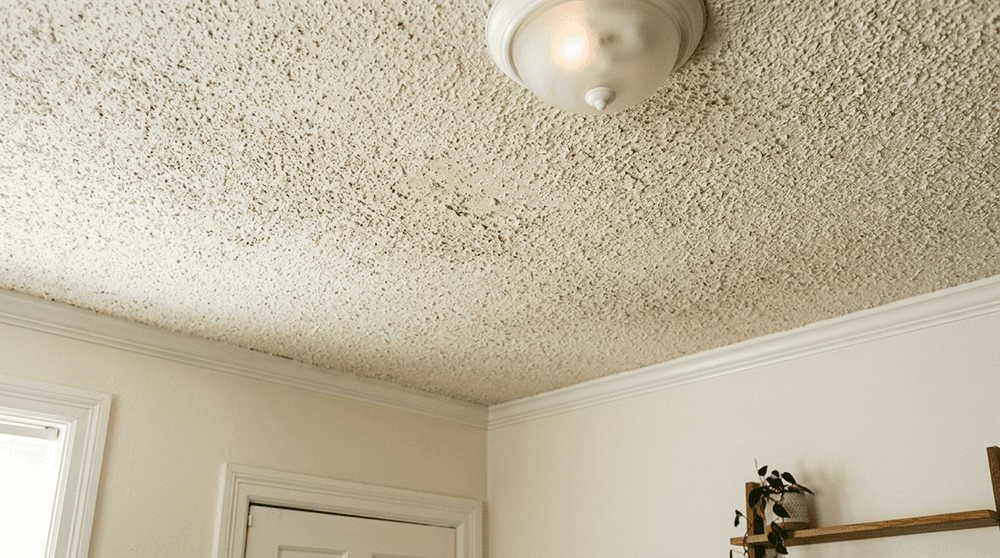 Before
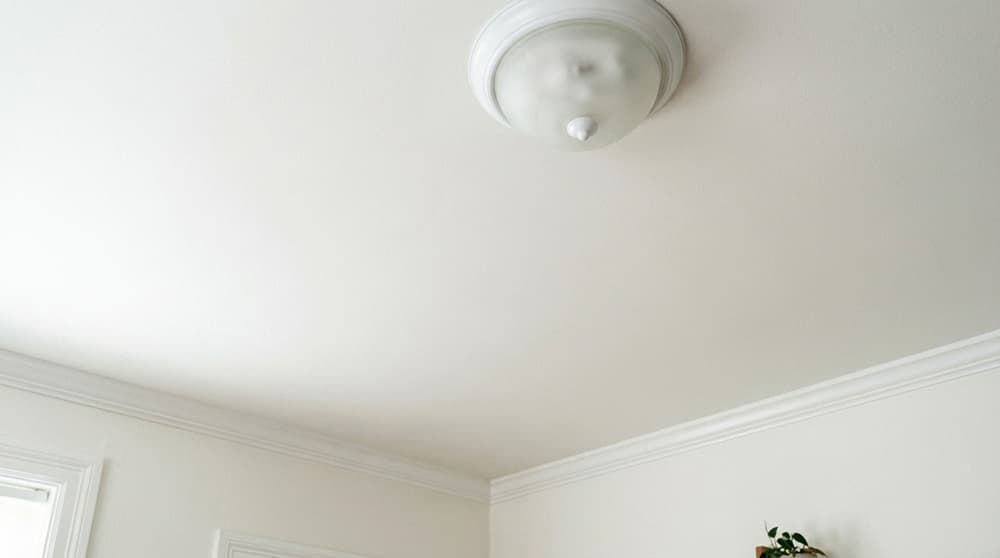 After
AfterBedroom — Popcorn Ceiling Removal
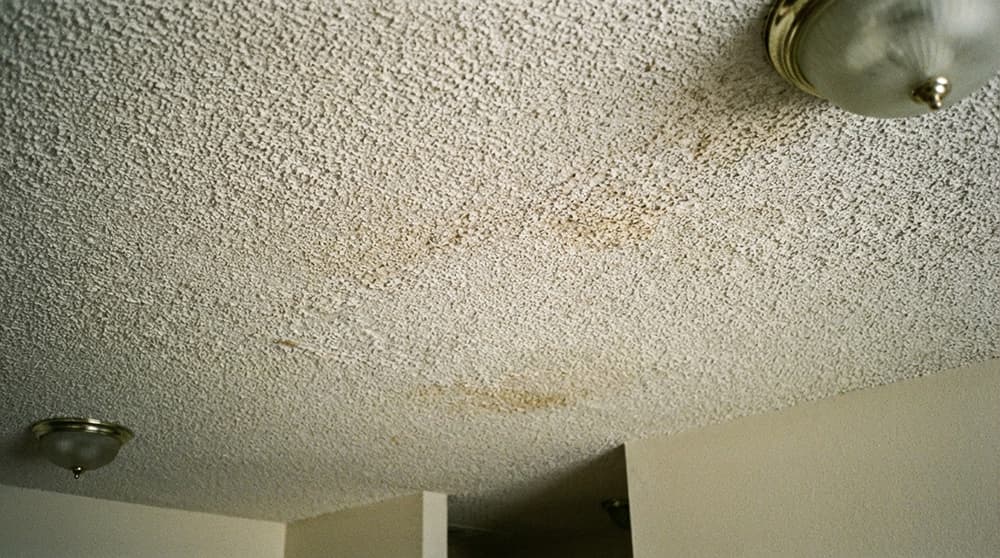 Before
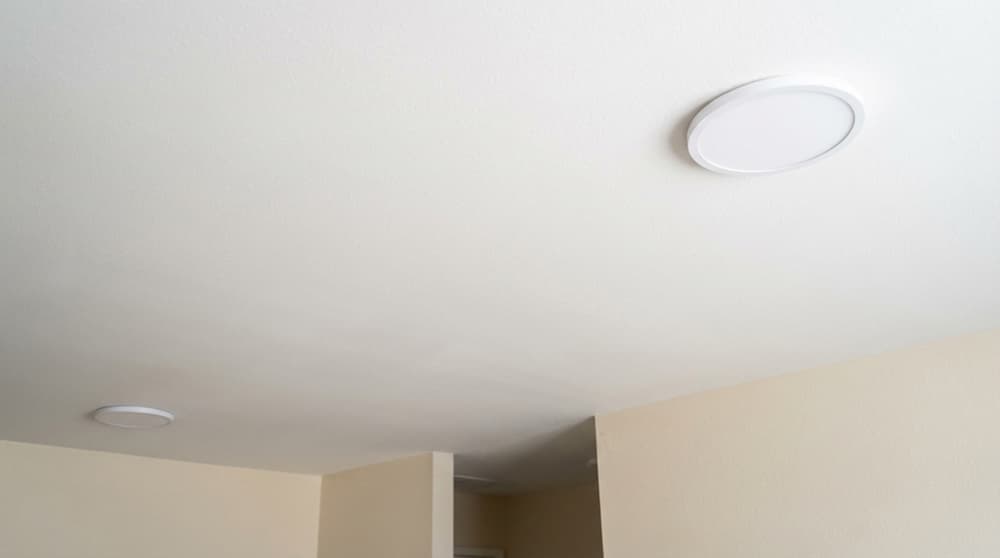 After
AfterBedroom — Popcorn Ceiling Removal