Ceiling Texture
Matching Done Right
When a ceiling repair leaves a bare patch, it needs to match what surrounds it — not just in material, but in pattern, density, and edge. We study the existing texture before touching anything, then replicate it as closely as possible.
Call (715) 200-8337Get Your Free Estimate
Tell us about your project and we'll follow up quickly.
What It Is
Texture Matching: More Than Spraying and Hoping
Texture matching is the process of applying new ceiling texture over a repaired area so it visually blends with the surrounding original surface. Done well, you can't see where the repair is. Done poorly, the patch stands out like a scar — different density, different edge, different light response.
The challenge is that every texture has multiple variables at once: material consistency, tool and application pressure, distance from the surface, overlap pattern, and how aggressively the wet texture was knocked down or left alone. Matching requires replicating all of those variables — not just the surface appearance, but the process that created it.
Before we apply anything, we study the existing ceiling: the size and frequency of the pattern, the depth of the peaks, the edge where texture ends and bare drywall begins. That study informs how we mix, what we apply it with, and how we feather the repair into the surrounding area.
When You Need Texture Matching
Water damage repair, plumbing access cuts, drywall replacements — any repair that removes or disturbs the existing texture creates a bare patch that needs to match the surrounding surface before paint.
About ceiling repairCutting in can-lights or retrofit LED fixtures leaves clean circular holes in the ceiling. Once the electrician is done, the area around each fixture needs texture to match what surrounds it.
If you've had one section of a ceiling replastered or replaced but don't want to redo the whole room, texture matching can make the new section blend with the original so the room looks consistent.
Texture Types
What We Match in Hudson-Area Homes
Most ceilings in Hudson and the surrounding area fall into one of four texture categories — each requires a different approach to replicate accurately.
Orange Peel
Very Common — 1970s–1990s homes
Fine, stippled texture that resembles the surface of an orange peel. Applied with a hopper gun at a set distance and pressure. Common in ranch-style and split-level homes across Hudson, New Richmond, and River Falls.
How We Match It
Hopper gun with thinned compound, matched to original air pressure and distance settings. Multiple test passes before committing to the repair area.
Knockdown
Common — 1990s–2000s homes
Irregular, flattened splatters with smooth plateau tops and defined edges. Created by spraying heavy compound splatters, letting them partially set, then flattening the peaks with a wide knife.
How We Match It
Spray pattern and spatter size matched first. Knockdown timing is critical — too early and the peaks smear, too late and they won't flatten. We match the original plateau size and density.
Skip Trowel
Moderate — handcrafted look, 1990s–2000s
Hand-applied compound spread irregularly with a curved knife, leaving random skip marks and smooth skipped areas. More artisanal than spray textures — each pass is unique.
How We Match It
Hand application only, using the same curved-blade technique. We study the original skip depth, skip frequency, and edge softness before applying to the repair.
Sand Texture
Moderate — often painted over
Fine, gritty texture created by adding silica sand to paint or compound. Produces a uniform, fine-grain surface rather than a pattern. Sometimes applied directly with a textured roller.
How We Match It
Sand texture is matched by replicating the grain size and density of the original — either by mixing sand into compound at the same ratio, or using a matching texture paint for light applications.
Why Patches Stand Out
The Mistakes That Make Repairs Obvious
Texture matching looks easy — grab a can of orange peel spray or a trowel and go. Here's what separates a visible patch from an invisible one.
Using a canned spray product at default settings — produces a uniform pattern that rarely matches the original, especially in homes where texture was applied with custom equipment.
We dial in pattern size using test boards before applying to the ceiling. For hopper-gun textures, pressure and distance are adjusted until the test result matches the original.
Applying texture right up to the repair border creates a hard edge — a visible line where new texture starts. That edge shows through paint as a ridge or color difference.
We feather the new texture gradually into the surrounding area, thinning the application at the edges so the transition is gradual and invisible rather than abrupt.
Applying too much compound in one pass creates thick peaks that look heavier than the original. The pattern is right but the depth is wrong — still visible after paint.
We match the original relief depth, not just the pattern. For knockdown and skip trowel, this means studying peak height before mixing material.
Stopping at texture and assuming it will blend. Fresh texture is a different color and sheen than painted ceiling — it will always stand out without paint over the top.
We paint the repair area — and often the full ceiling — after texture dries. Paint is what makes the blend work. Texture alone doesn't finish the job.
Knocking down knockdown texture too early or too late. Early: peaks smear and spread, making a muddier pattern. Late: compound has set and won't flatten, leaving jagged peaks.
We watch and test compound set time in the current temperature and humidity. Knock-down timing is checked on a test board before the ceiling is touched.
How We Do It
Our Texture Matching Process
Every texture match follows the same methodical sequence — study before application, test before committing.
Study the Existing Texture
Before any material is mixed, we examine the surrounding ceiling carefully — pattern size, peak depth, edge characteristics, and how the texture was applied. This is what informs every decision that follows.
Test on a Board
We apply test texture to a piece of drywall or cardboard and compare it to the original under a raking light. Equipment settings are adjusted until the test result matches before the ceiling is touched.
Prepare the Repair Area
The repair surface is primed or sized as needed, loose material removed, and edges cleaned. Surrounding texture is protected from overspray or bleed. The repair area is set up to receive compound correctly.
Apply with Feathered Edges
Texture is applied to the repair area and feathered gradually into the surrounding surface at the edges. We don't stop abruptly at the repair border — the transition is gradual so the line disappears.
Inspect Under Raking Light
Once the texture has set, we inspect the repair under a work light held at a raking angle — the same way a ceiling looks under low-angle natural light. This reveals any mismatch before paint goes on.
Prime and Paint
The repair is primed and painted to match the surrounding ceiling. For a full blend, we often paint the entire ceiling — fresh texture and old surface together, so the paint unifies everything.
From Our Customers
What Homeowners Say About the Blend
“We had a plumber cut into two spots on the ceiling and it looked terrible after he patched the drywall. These guys matched the knockdown texture so well I couldn't find the repairs after they painted. Genuinely couldn't find them.”
Scott & Amy P.
Hudson, WI
Knockdown texture match after plumbing repair
“I was skeptical that orange peel could be matched — mine is pretty old and the original texture was applied with a big hopper. They tested it on a board first and showed me the match before touching the ceiling. Came out perfect.”
Diane L.
New Richmond, WI
Orange peel texture match, water stain repair
“Had six new recessed lights put in and needed the texture matched around each one. They painted the whole ceiling after, which made everything look unified. The electrician's holes are completely invisible.”
Mike V.
River Falls, WI
Orange peel match around 6 recessed light cuts
Related Services
Everything Around the Texture Match
Repairs that create the patches texture matching is needed to blend.
Learn moreFull removal where texture matching isn't needed — the whole ceiling gets redone.
Learn moreWhen a full smooth ceiling is the goal instead of matching existing texture.
Learn moreThe complete transformation — removal through final paint.
Learn morePaint step that makes the texture match truly disappear.
Learn moreWhen painted-over texture needs special removal before anything else.
Learn moreHudson WI and the communities we serve.
Learn moreWhat's hiding behind existing texture before repairs begin.
Learn moreCommon Questions
Ceiling Texture Matching — FAQ
Have a Patch That Needs to Disappear?
Free in-home estimate — we look at the existing texture, tell you what type it is, what a match will look like, and give you a written quote. No guesses over the phone.
(715) 200-8337Serving Hudson · River Falls · New Richmond · Woodbury · Lakeville
Get Your Free Estimate
Tell us about your project and we'll follow up quickly.
See the Difference
Before and after photos from our recent projects.
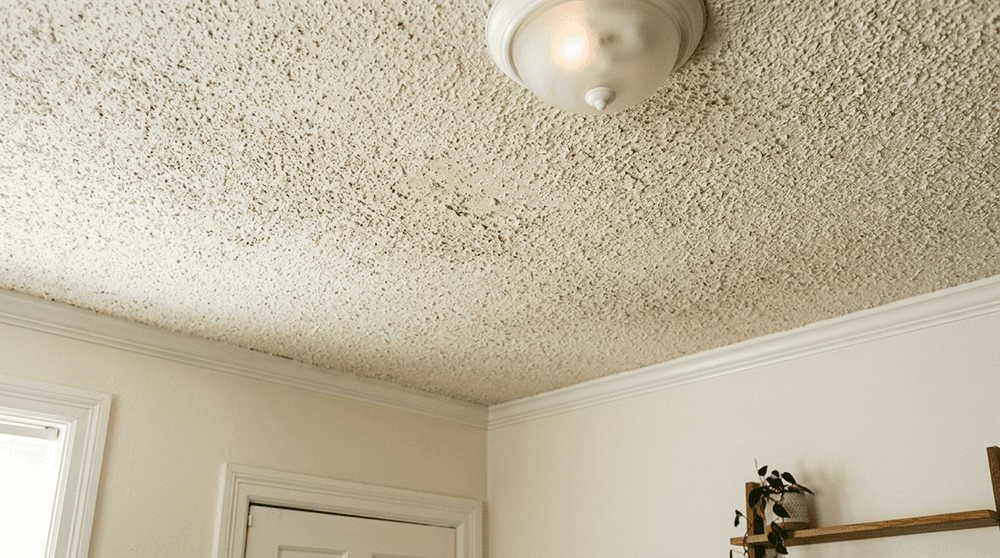 Before
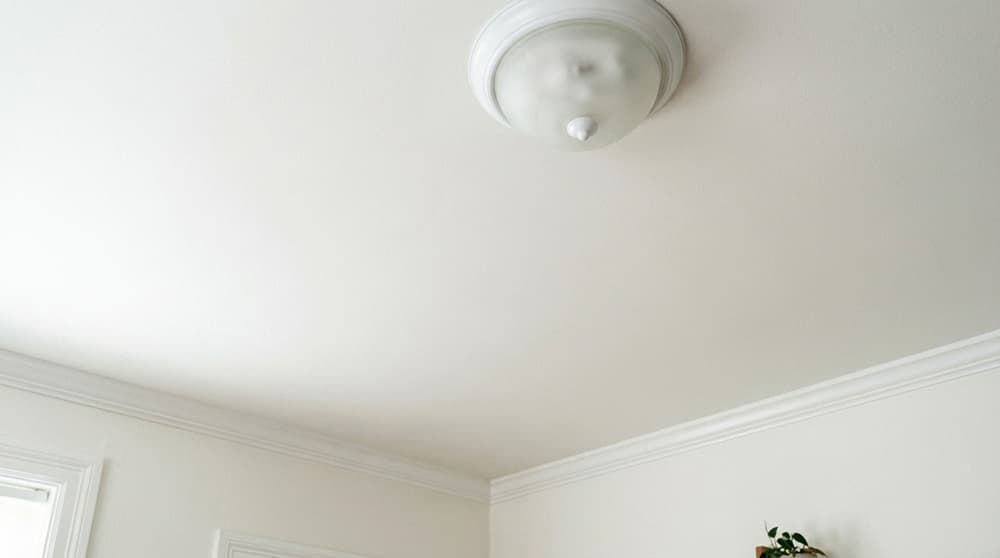 After
AfterBedroom — Popcorn Ceiling Removal
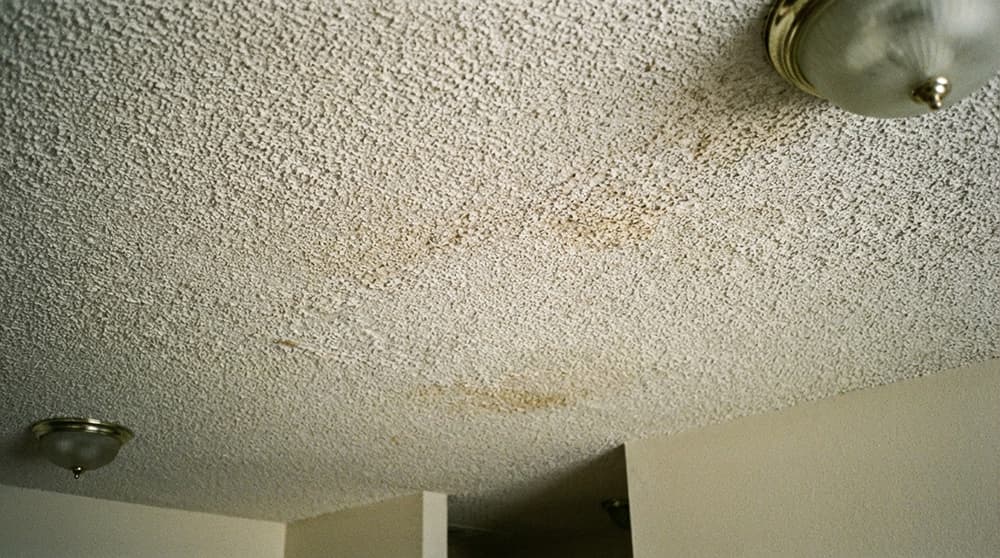 Before
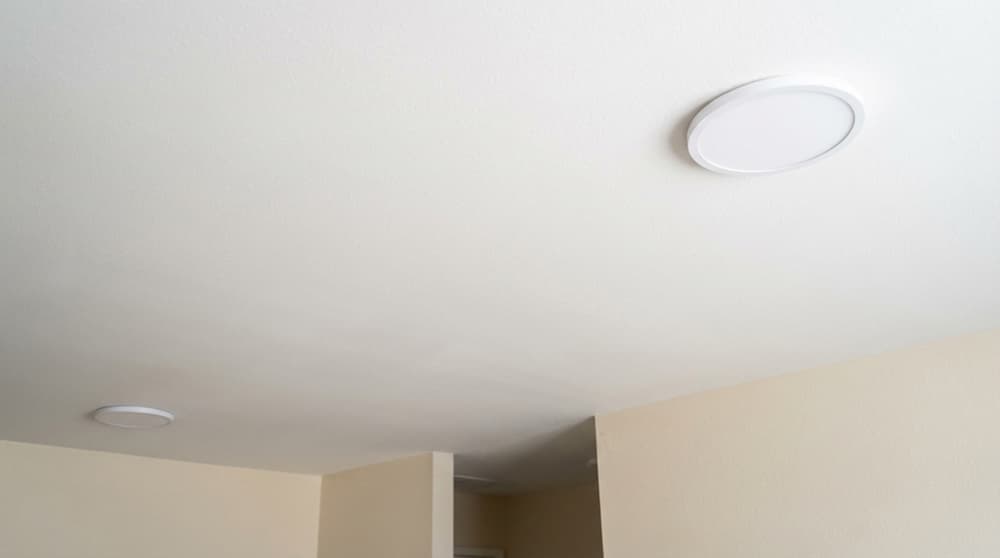 After
AfterBedroom — Popcorn Ceiling Removal