Smooth Ceiling
Finishing & Skim Coat
Removal gets the texture off. Smooth finishing makes the ceiling worth looking at. We skim coat, sand flat, and leave a surface that's ready for primer and paint — no shortcuts.
Call (715) 200-8337Get Your Free Estimate
Tell us about your project and we'll follow up quickly.
What It Actually Means
Removing Texture Is Step One. Finishing Is the Step That Matters.
A lot of homeowners assume that once the popcorn is scraped off, they're done. They're not. What removal leaves behind is bare drywall — and bare drywall is not a finished surface. Tape seams, screw dimples, joint ridges, and uneven compound work are all fully exposed once the texture is gone.
Smooth ceiling finishing — specifically skim coating — is the process of applying a thin, carefully worked layer of joint compound over the entire surface to level it out. Then sanding it flat. Then doing it again if needed. The result is a ceiling that looks like it was done properly the first time: uniform, clean, and ready for primer and paint.
This is the step that separates a professional result from a DIY job that looks rough under certain lighting. We don't rush it.
What a Properly Finished Ceiling Looks Like
- No visible tape seams under any lighting angle
- No screw dimples showing through flat paint
- Uniform surface — no high spots, no hollow areas
- Clean edges meeting walls and crown without steps
- Paint absorbs evenly — no blotchy or shiny patches
- Looks the same on an overcast day and in direct sunlight
The raking light test: A ceiling that looks fine under overhead lighting often shows every flaw when natural light comes in from the side at a low angle. A properly skim coated ceiling passes this test. An unfinished one doesn't.
A Common Mistake
What Happens When You Skip the Skim Coat
We see this outcome regularly — homeowners or contractors who removed the texture and painted directly over raw drywall. Here's what goes wrong.
Tape Lines Visible at Every Angle
Drywall tape seams were hidden by texture. With texture gone and no skim coat, they show through flat paint as raised ridges — especially obvious in natural sidelight.
Screw Dimples Shadow the Surface
Every screw in the drywall creates a small dimple. Texture covered them. Without skim coat, these cast tiny shadows under raking light and are nearly impossible to fix after painting.
Paint Absorbs Unevenly
Raw drywall is extremely porous and absorbs paint at different rates depending on whether it's paper, compound, or bare gypsum. The result is a blotchy, inconsistent finish even with two coats.
Repairs Become Much Harder Later
Trying to fix visible imperfections after the ceiling is painted means sanding through paint, applying compound, repriming, and repainting — often over a larger area than the original problem.
The Ceiling Still Looks Unfinished
Homeowners often describe it as looking like an 'amateur job' even though the texture is gone. The ceiling just doesn't look smooth — because it isn't.
Cost More to Fix Later
Fixing a poorly finished ceiling after the fact — sanding, skimming over paint, spot priming — takes more time and materials than doing it right during the project.
Our Process
How We Finish a Ceiling
Four disciplined steps — every time, no exceptions.
Surface Assessment & Repair
Before any compound goes on, we inspect the ceiling closely under a work light. Every screw pop is reset and dimpled properly. Every open tape joint is re-taped or re-bedded. Cracks are cut out and filled. Water stains are sealed with shellac-based primer to prevent bleed-through. We fix the problems first — skim coat is not a patch, it's a finish coat.
First Skim Coat — Filling
The first coat is applied with a 10–12" drywall knife, working in sections across the ceiling. The goal here isn't perfection — it's coverage and filling. We build the compound up over low spots, feather down over high ridges, and establish a base layer that's consistent across the entire surface. This coat goes on slightly thicker and is allowed to dry completely before anything else happens.
Sand, Assess, Second Coat
Once the first coat is dry, we sand it lightly with a long-handle pole sander using 100-grit paper. Sanding reveals the high spots and shows us what still needs attention. A second coat — thinner than the first — is applied to refine the surface, fill any remaining imperfections, and bring everything to a consistent plane. On ceilings with significant prior damage, a third coat may follow the same cycle.
Final Sand & Inspection
The final sand uses finer grit paper and a flat block to produce a smooth, even surface. We check the ceiling under a work light held at a raking angle — the most revealing test. Any remaining imperfections get a small spot correction before we declare the surface ready. We primer the skim coated areas (or the full ceiling) before the finish coat of flat ceiling paint goes on.
What the Texture Was Hiding
Common Defects We Address Before Finishing
Popcorn texture was applied specifically because it hid these. Once it's gone, they need to be dealt with — not painted over.
Screw Pops
Drywall screws that have pushed back through the surface over time. We reset each one slightly below the surface, apply compound, and feather it level.
Tape Seams & Joints
Drywall seams that weren't finished smoothly behind the original texture. We re-bed any lifted tape, fill low spots, and build up to a flat plane.
Hairline Cracks
Settlement cracks are common in older homes. We cut them slightly wider, fill with setting-type compound, tape over structural cracks, and skim over the repair.
Water Stains
Old water damage leaves tannin stains that bleed through standard paint. We seal these with shellac-based primer before compound is applied — otherwise they come back through the finish coat.
Uneven Drywall Compound
Some ceilings were installed with minimal prep — the original compound work was uneven, and texture covered it. These need more build-up skim work to reach a uniform plane.
Damaged Drywall Paper
Aggressive scraping can nick the drywall face paper. These spots are sized and primed before compound — otherwise they swell and create a raised area under the skim coat.
Finish Options
You Don't Have to Go Perfectly Flat
Most of our clients want a fully smooth ceiling — flat, clean, modern. But some homeowners prefer a subtle texture that adds a little character without the heaviness of popcorn. If that's you, we can apply a light finish texture over the skim coat before painting.
The skim coat step happens regardless — the finish texture is applied over it. This means you still get a properly prepared surface; you're just choosing what goes on top of it.
Completely flat, zero texture. The clean modern look. Slightly less forgiving on imperfections — which is why we take the finishing process seriously.
Best for: Open-concept spaces, high ceilings, pre-sale renovations, contemporary homes.
A subtle, hand-applied texture with a soft, natural look. Adds interest without the heaviness of popcorn. More forgiving on minor imperfections.
Best for: Homes with wall texture that needs to be matched, traditional or transitional styles.
A fine spray-on texture that resembles the skin of an orange — subtle, consistent, and easy to apply over large areas.
Best for: Matching existing wall or ceiling texture from the same era, budget-conscious projects.
The Difference
Before & After Skim Coat
Raw Drywall Surface
- ✕Tape seams visible as raised lines across the ceiling
- ✕Screw dimples casting tiny shadows
- ✕Uneven compound work from original installation
- ✕Paint absorbs unevenly — blotchy finish inevitable
- ✕Every imperfection visible in raking light
Paint-Ready Smooth Surface
- No visible seams — surface is level edge to edge
- Screw locations invisible under primer
- Uniform flatness — verified under raking light
- Paint absorbs evenly — crisp, consistent finish
- Ceiling looks like it was done right the first time
“I had someone else do the removal and they painted right over the bare drywall. Every seam showed. These guys came back, skim coated the whole main floor, and it looks completely different. Night and day.”
Melissa K.
Hudson, WI
Skim coat repair on previously painted ceiling
“The skim coat step honestly took longer than the removal. But watching them sand it flat under a work light was impressive — they're meticulous. The ceiling looks flawless.”
Andrew F.
Woodbury, MN
Full house removal + skim coat + paint
“They found a water stain under the texture I didn't know about and sealed it properly before finishing. The paint is perfectly even. No bleed-through, no blotchy spots.”
Carrie N.
New Richmond, WI
Main floor finishing with stain seal
Related Services
The Full Ceiling Process
The step before smooth finishing — how we get the texture off cleanly.
Learn moreA deeper look at the skim coat process and what it involves.
Learn moreSpecific repair work done before and during the finishing phase.
Learn morePrimer and paint — the step after smooth finishing is complete.
Learn moreFor areas that need to match existing texture rather than go smooth.
Learn moreSealed texture needs a different approach before finishing can begin.
Learn moreHudson WI, River Falls, New Richmond, Woodbury, Lakeville.
Learn moreWhat the transformation looks like, step by step.
Learn moreCommon Questions
Smooth Ceiling Finishing — FAQ
Ready for Ceilings That Are Actually Finished?
Free in-home estimate. We come out, assess the ceiling, explain what it needs, and give you a written quote. No phone guesses. No pressure.
(715) 200-8337Serving Hudson · River Falls · New Richmond · Woodbury · Lakeville
Get Your Free Estimate
Tell us about your project and we'll follow up quickly.
See the Difference
Before and after photos from our recent projects.
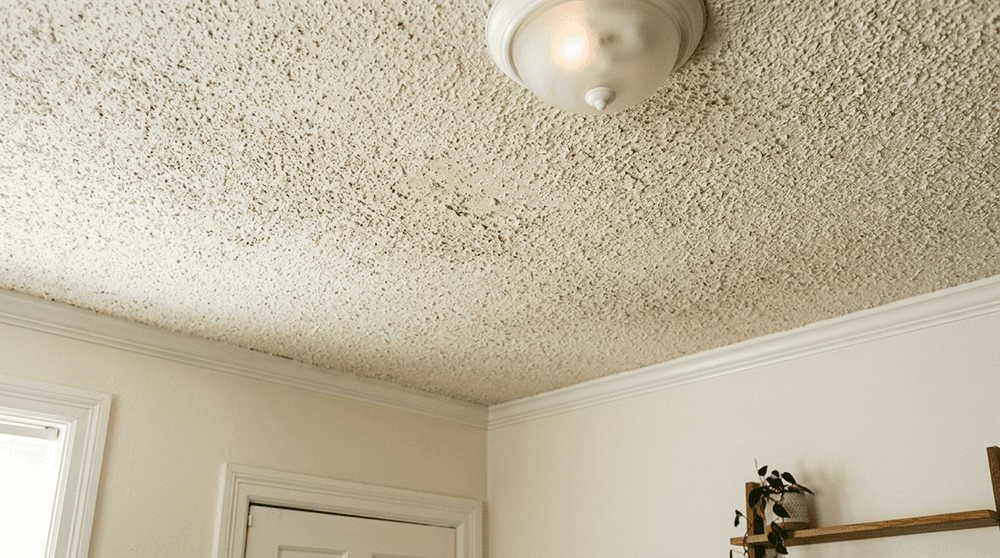 Before
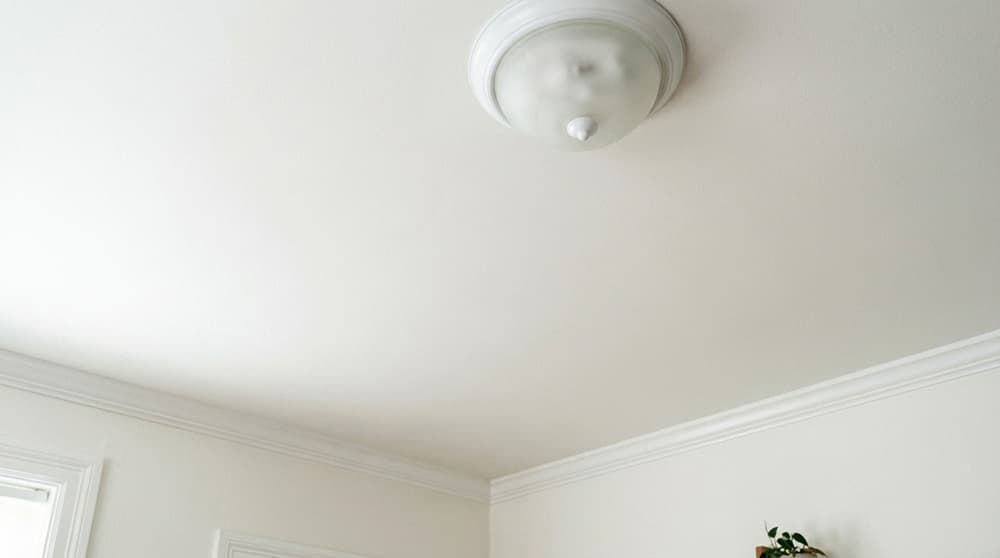 After
AfterBedroom — Popcorn Ceiling Removal
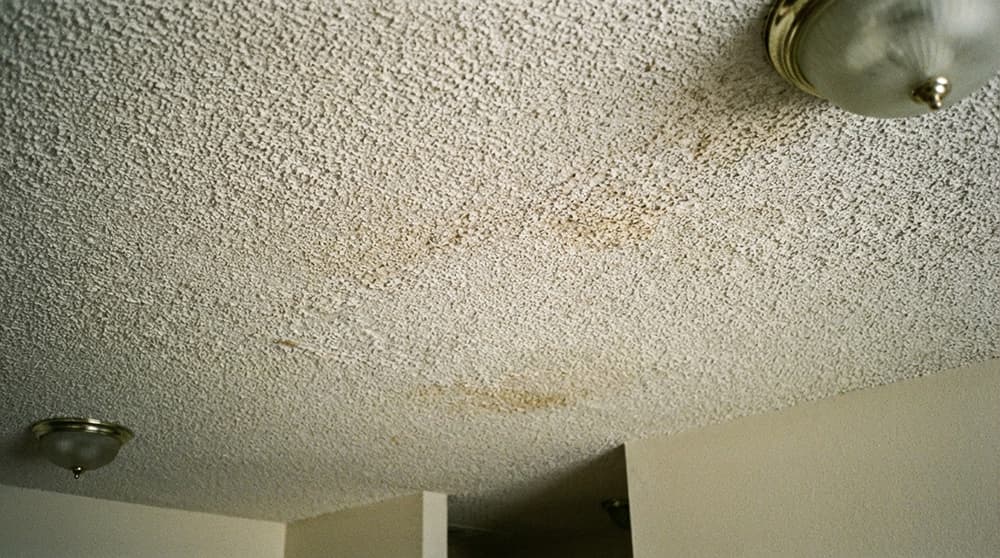 Before
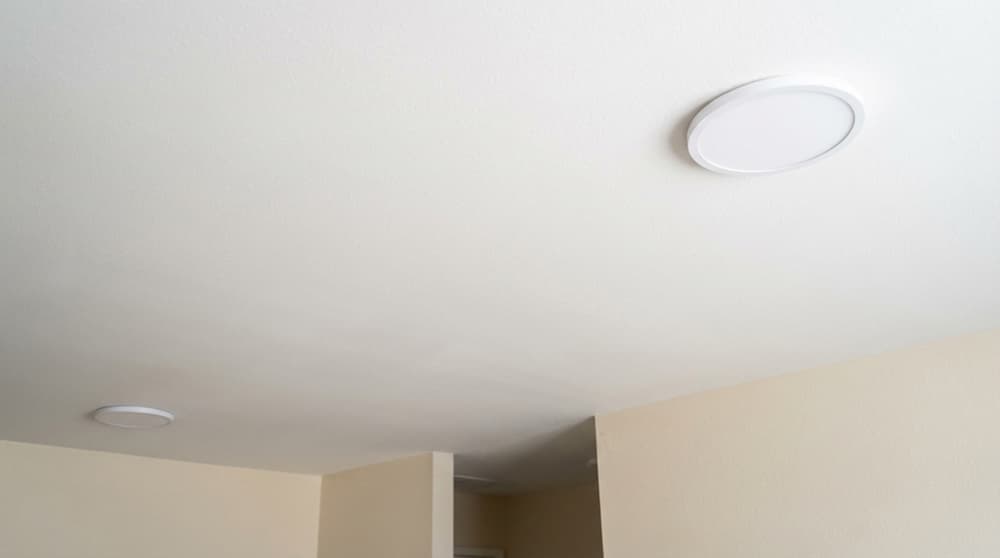 After
AfterBedroom — Popcorn Ceiling Removal