Ceiling Skim
Coating Done Right
Skim coating is a craft — not just spreading compound and hoping for the best. We apply the right material at each stage, let it cure properly, and sand flat under a raking light. The result is a ceiling that holds up under any lighting condition.
Call (715) 200-8337Get Your Free Estimate
Tell us about your project and we'll follow up quickly.
What It Is
Skim Coating: The Craft Behind a Flat Ceiling
Skim coating is the application of a very thin layer of joint compound across an entire ceiling surface — not to patch specific spots, but to bring the whole surface to a flat, consistent plane. The goal is a result that looks the same under every lighting condition: overhead fixtures, natural sidelight, and the raking-angle test that exposes every flaw.
It's different from patching. A patch addresses one problem area and leaves the rest of the surface alone — the patch will be visible because its texture differs from the surrounding drywall. Skim coating eliminates that difference by treating the entire surface as one canvas.
Done correctly, a skim coated ceiling is invisible — you see the paint, not the surface beneath it. Done incorrectly, you see every ridge, drag mark, and trowel line under natural light.
When You Need Skim Coating
Every popcorn removal job exposes drywall that was never finished to a paint-ready standard — the texture was hiding the imperfect compound work underneath. Skim coating is the mandatory next step before primer and paint.
About popcorn removalNew drywall hung during a renovation, a room addition, or after water damage repair needs skim coating before it can be painted. We offer skim coating as a standalone service — no removal required.
Old plaster ceilings, ceilings with failed tape joints, or surfaces with decades of spackle and paint buildup can be brought to a clean, level finish with skim coating — without replacing the substrate.
About ceiling repairWhy It's Harder Than It Looks
DIY Skim Coating vs. Professional Results
Skim coating looks straightforward — spread some compound, let it dry, sand it down. Here's what actually separates a professional result from a DIY attempt.
All-purpose compound from the hardware store — applied at the same thickness for every coat
Setting compound for repairs and heavy fills; all-purpose for build coats; lightweight topping for final pass — each selected for its working properties at that stage
Applied too thick in an attempt to fill everything in one pass — leads to cracking, shrinkage, and long dry times
Each coat is intentionally thin. Filling happens over multiple passes, not by loading on compound. Thin coats shrink less and dry more uniformly
Sanded or recoated before the prior layer is fully dry — causes delamination, soft spots, and poor adhesion
Each coat cures completely before the next is applied. In humid or cold conditions, we extend drying time rather than rush the schedule
Hand block or orbital sander — creates low spots between screws, leaves circular marks, doesn't flatten ridges
Long-handle pole sander with the right grit for each pass. Flat sanding reveals high spots and brings everything to a consistent plane without gouging
Looks fine under the work light or overhead — problems appear after paint, under natural light
Inspected under a work light held at a raking angle before every coat and after final sand. This is the only reliable way to see what the finished ceiling will look like
Skim coat applied directly over nicked paper — swells up, creates raised bumps that show through paint
Damaged paper spots are sized with PVA primer before any compound touches them — prevents swelling and ensures proper adhesion
Compound applied over stains — tannins bleed through compound and paint weeks later
Every stain sealed with shellac-based primer before compound — blocks bleed-through permanently
The Right Materials
Why Compound Type Matters More Than Most People Think
Walk into any hardware store and you'll find a handful of joint compound products. Most DIYers grab the green-lid all-purpose bucket and use it for everything. Professionals don't — because different stages of skim coating have different requirements, and using the wrong compound at the wrong stage produces a worse result.
The same logic applies to tools. A 6" knife is right for embedding tape. A 12" knife is right for skim coats. A pole sander with the correct grit is right for flattening. Using the wrong tool at any stage leaves marks that compound alone can't fix.
Used for: Repairs, re-taping open joints, heavy fills
Hardens by chemical reaction — not by drying. Shrinks very little, bonds strongly, and can be recoated sooner. Used where strength and minimal shrinkage matter most.
Used for: Build coats, first and second skim passes
Workable, slow-setting, good coverage. Needs adequate dry time — typically overnight. Slightly more shrinkage than setting compound, which is acceptable for build coats.
Used for: Final coat only
Easier to sand than all-purpose, produces a finer surface texture. Applied very thin for the last pass — sands to a near-powder smoothness. The finish your primer and paint will sit on.
Tools matter too: We use 10–14" knives for skim passes, pole sanders (not orbital) for flat-surface work, and a work light held at a raking angle to check every surface before it advances to the next stage.
Before Work Starts
How We Assess Every Ceiling Before Touching It
Every skim coat job starts with a diagnostic pass — a systematic look at the entire ceiling surface before a single coat goes on.
Raking Light Inspection
We drag a work light slowly across the ceiling at a low angle. This is the most revealing test — it shows every tape seam, screw pop, ridge, and hollow that will be visible after paint. We map what we find before quoting the scope of work.
Flatness Assessment
We use a long straightedge across different sections to measure how far the surface deviates from flat. This tells us how many coats will be needed and whether any areas require setting compound to build up before skim coat can begin.
Problem Area Identification
We mark water stains for shellac sealing, identify open or cracked tape joints for re-bedding, locate damaged drywall paper that needs sizing, and flag any areas where the original compound work was particularly rough.
Surface Preparation
Before compound goes on: dust and debris removed, damaged paper spots primed with PVA, water stains sealed, loose compound knocked back, screw pops set, and open joints re-taped. We don't skim coat over problems — we fix them first.
From Our Customers
What Homeowners Say About the Finish
“Watching them sand that ceiling under the work light was almost meditative. Every pass, check, every pass, check. They didn't declare it done until it was actually done. The result is flawless.”
Andrew F.
Woodbury, MN
Full house skim coat after popcorn removal
“I had someone patch my ceiling before and the repairs always showed through paint. These guys skim coated the whole ceiling and you genuinely cannot tell where the damage was. It's one surface.”
Paula R.
Hudson, WI
Skim coat over repaired water damage
“They explained exactly which type of compound they were using and why at each stage. I didn't expect that level of detail from a contractor. It came through in the quality of the work.”
James T.
River Falls, WI
New drywall skim coat, room addition
Related Services
Everything Around the Skim Coat
The step that comes before skim coating on most of our projects.
Learn moreThe broader finishing process — skim coat as part of a full transformation.
Learn moreRepairs done before skim coating begins — cracks, stains, damaged paper.
Learn morePrime and paint after the skim coat is sanded flat.
Learn moreWhen a repaired area needs to match surrounding texture.
Learn moreSealed surfaces that need a different removal approach first.
Learn moreWhere we work — Hudson WI and surrounding communities.
Learn moreWhen skim coat is the answer and when covering makes more sense.
Learn moreCommon Questions
Ceiling Skim Coating — FAQ
Want a Ceiling That Looks Right Under Every Light?
Free in-home estimate — we assess the ceiling, explain what it needs, and give you a written quote. No phone guesses. No pressure.
(715) 200-8337Serving Hudson · River Falls · New Richmond · Woodbury · Lakeville
Get Your Free Estimate
Tell us about your project and we'll follow up quickly.
See the Difference
Before and after photos from our recent projects.
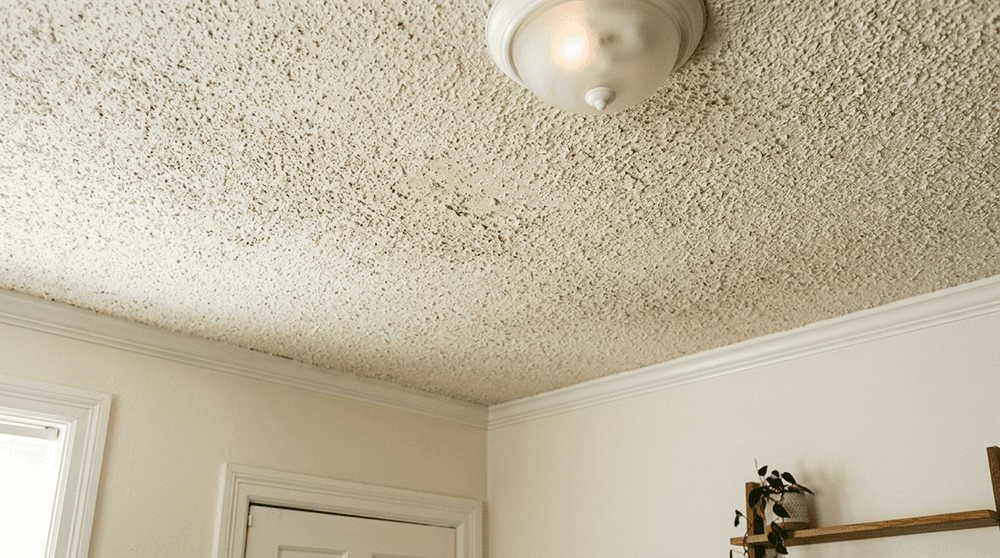 Before
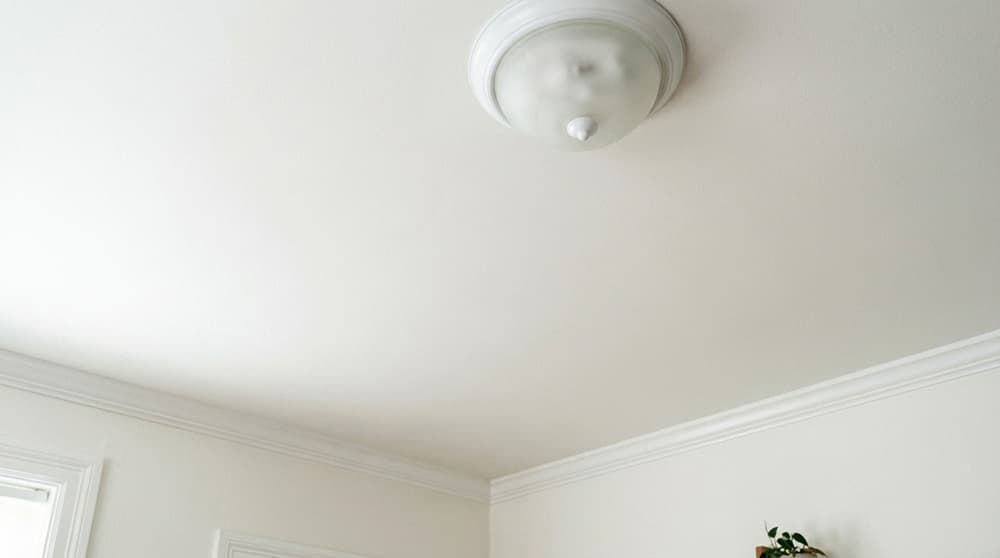 After
AfterBedroom — Popcorn Ceiling Removal
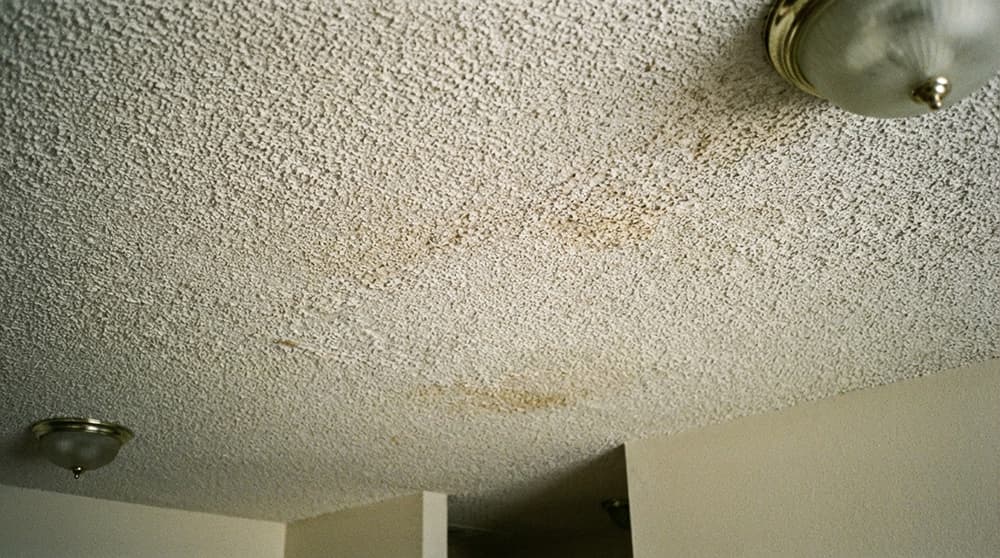 Before
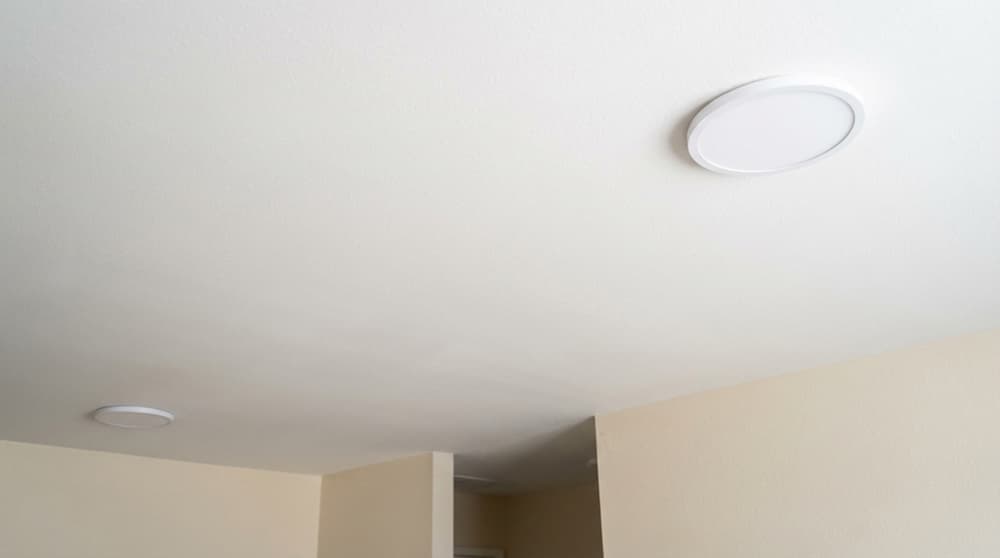 After
AfterBedroom — Popcorn Ceiling Removal